
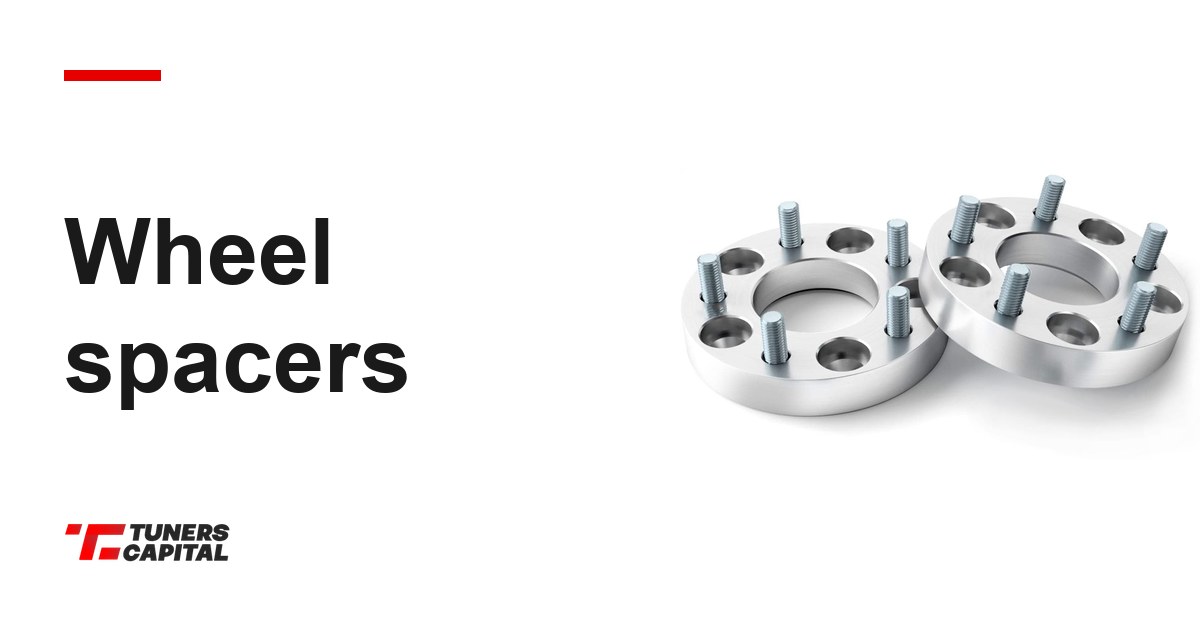
Changing wheels is often the first step in modifying a car, but sometimes new (or even original) wheels simply do not sit the way you want. They sit too far inside the arch, which makes the car look narrow and a little shy. Solution for this visual and technical challenge are spacers for wheels.
In this ultimate guide for buying, we cover everything you need to know before you decide for widening the track of your pride and joy.
Why fit spacers?
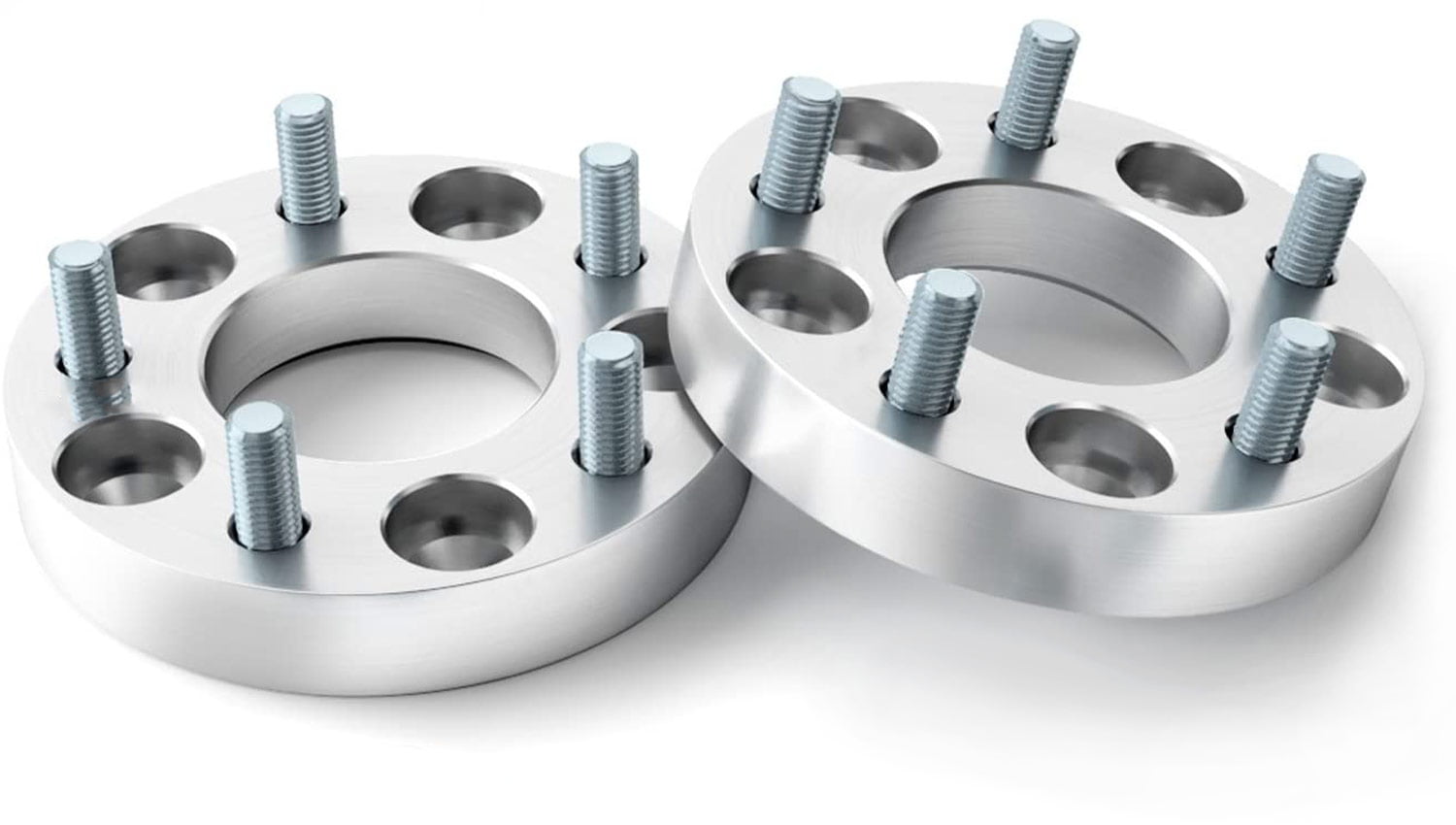
Spacers are simple metal (usually aluminium) discs fitted between the car’s hub and the wheel. Their primary job is to push the wheel outwards. But why would you want to do that in the first place?
- Great looks and stance: This is by far the most common reason for buying. Pushing the wheels out to the edge of the arches instantly gives the car a much more aggressive, muscular and sporty look.
- Better road holding: Fitting spacers increases the track width (the distance between the left and right wheel on the same axle). A wider footprint means more stability, better grip and noticeably less body roll in corners.
- Solving clearance problems: When fitting bigger, more capable brakes (a big brake kit) or upgrading to coilovers, there is often not enough room and the inner rim of the wheel rubs on the new components. Spacers elegantly provide that much-needed clearance.
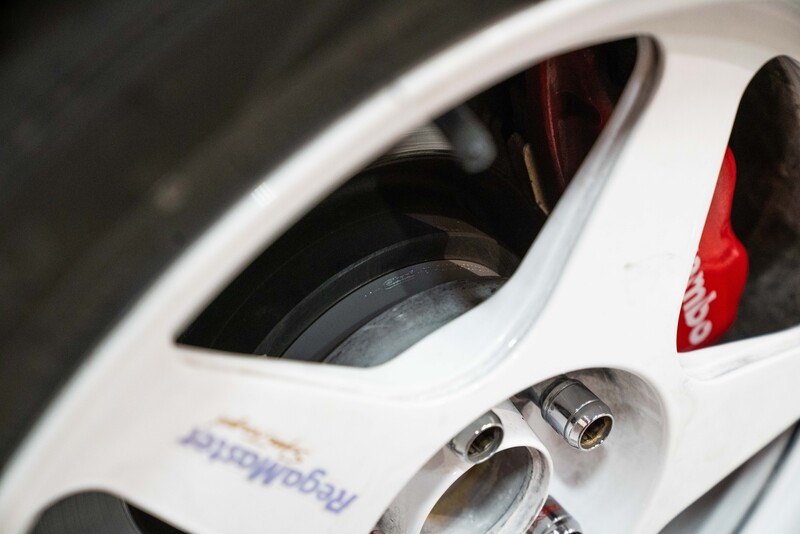
If you want to improve your car’s looks and stability, check our wide range in the category Wheel spacers.
How to measure the thickness you need
Buying spacers by guesswork is a recipe for problems. If they are too wide, the tyre will rub the arch over bumps, which can damage both the tyre and the bodywork. So how do you measure correctly and precisely how much width you need?
The measurement is simple: all you need is a ruler (or tape measure) and a spirit level or a straight piece of batten.
- Park the car on a completely level surface.
- Hold the spirit level (or batten) vertically against the outermost edge of the arch so that it hangs straight down across the tyre.
- With the ruler, measure the horizontal distance from the outermost edge of the tyre (or wheel, if it sticks out further) to the inner edge of the batten or level.
- This distance (in millimetres) is your maximum possible spacer thickness.
Expert tip: It is always advisable to subtract at least 3 to 5 millimetres from this measurement for a safety margin. The suspension and tyre move while driving, and this margin makes sure there is no contact with the arch under full compression.
Safety first: What to watch out for when buying and fitting
Spacers are a heavily loaded suspension part. Enormous forces act on them under braking, acceleration and cornering, so you must make no compromises at all on safety.
1. Proper centring
Cheaper universal spacers often have no centring lip. This means the car’s entire weight and all the vibration rest on the bolts alone, which quickly leads to dangerous vibration through the steering wheel or even sheared bolts. Always choose spacers made specifically for your car’s centre bore (the so-called. Hub-centric). And if your build combines wheels from other brands with different centre bores, for a perfect, safe fit without vibration, you also need Centring rings.
2. Longer bolts (critical!)
When you put a spacer (say 15 mm thick) between hub and wheel, your factory bolts for the wheel will no longer reach deep enough into the hub thread. The golden rule is: Factory bolt thread length + spacer thickness = the thread length the new bolt needs. The bolt must make at least 6 to 8 full turns before you torque it to the specified figure. Using bolts that are too short is lethally dangerous – the wheel can simply come off while driving!
3. TÜV certificates and type approval
The law is very clear here – any change to track width must be tested and safe. So buy spacers only from reputable manufacturers that have for your specific model, supplied with A TÜV certificate. This document confirms the spacers have been safety tested. With that certificate, suitable wheels and proof of professional installation you will need to have the car inspected and the modification legally entered in the vehicle documents. Without that entry the car is not roadworthy.
Conclusion
Spacers are a fantastic, cost-effective way to dramatically improve your car’s appearance and handling. They do demand a sensible approach, though: careful measuring, an uncompromising choice of quality (certified) materials and the mandatory use of bolts of the right length. Fit your car with the best and enjoy a more stable, safer drive!
If you haven’t already, you can sign up for our newsletter using the form below. You can expect more articles like this in your inbox, plus other news from the car world, such as upcoming car meets, track days and other events.