

Spring is approaching, and with it a new track day season. As we are preparing for a few track days ourselves this year, we decided to put all the important information into one short but sufficiently detailed article for such an undertaking.
Preparing for your first track day is essential to make the experience safe, fun and memorable. Poor preparation or overlooking something important can lead to problems that ruin your day or even damage your car. So it is wise to prepare thoroughly beforehand and check all the car’s key components. In this article we cover the essentials you must do and the recommended upgrades that can improve your track experience further.
BMW E30 Turbo BMW E46 Turbo Ford Fiesta STThe car’s general condition
Before you head to a track day it is essential that your car is in perfect condition. That means checking all the car’s key components, including the engine, chassis, suspension and exhaust system. Make sure there is no visible damage or worn parts that could affect your car’s safety or performance. It is advisable to have a mechanic inspect your car thoroughly before the event if you do not have the knowledge yourself. Remember, even the slightest play in the suspension can cause serious trouble, as on a track day the car is worked 150% harder than in normal road driving.
Fluids
Checking your car’s fluids is an essential step before every track day. Check the level of engine oil, coolant, fluid for power steering and brake fluid. Make sure there are no fluid leaks, as they could cause serious trouble on track. Pay particular attention to the brake fluid – if it is old, at least replace it with the original type, and better still, before the track day use performance brake fluid, which is more resistant to high temperatures.
Brakes
The brakes are one of the most important components for safe, effective driving on track. Besides checking the brake fluid, also check the pads and discs for wear. If the pads or discs are already quite worn, replace them in good time: as mentioned, the loads on a track day are much higher and you could destroy the pads and/or discs there.
Tyres
The tyres are your car’s only contact with the road, so their condition is extremely important. Check that the tyres are in good condition, undamaged and with enough tread. Also check tyre pressures, which can rise significantly on track. It is important to know that tyre pressures differ between cold and hot tyres, so after a few laps you should check them again and adjust if needed. It is also important to check the tread regularly, as after the track day you have to drive home in a roadworthy car, and a requirement for that is enough tread.
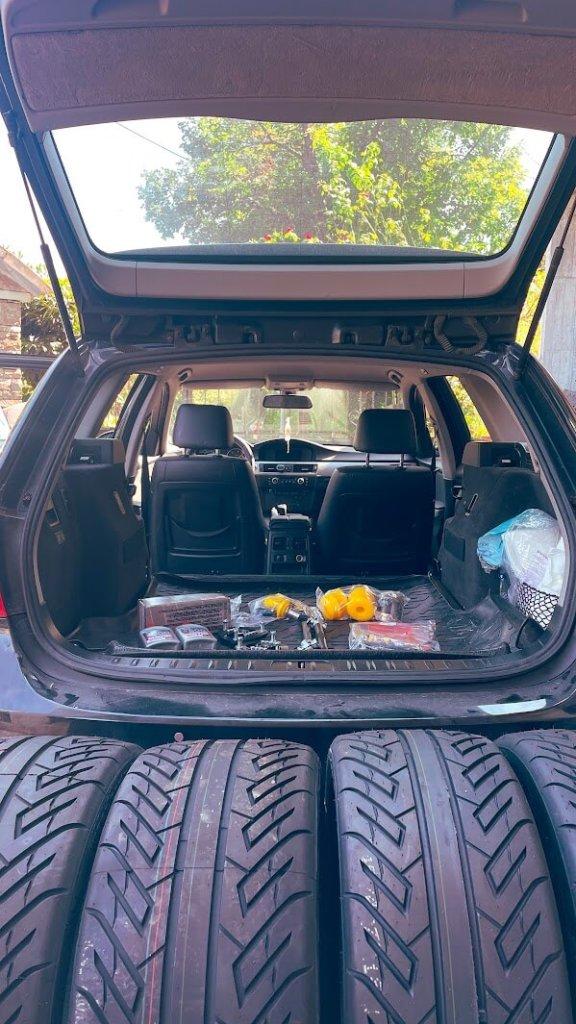
Recommended but optional upgrades for your first track day
While the steps above are essential, there are also upgrades you can make for an even better track day. These upgrades are not essential for your first track day, but they will improve how your car feels and performs.
Tyres: Semi-slick tyres offer better grip and performance on track, but they are not essential for your first track day..
Better brakes: Start with performance braided brake lines and performance brake fluid. Continue with performance brake pads and, if needed, replace the discs too. In rare cases, for more demanding users, a big brake kit is also recommended. Note: we recommend making upgrades gradually, as that is the best way to get to know your car and what each upgrade does. We have already written about performance brake fluid on our blog. You can find the full article and comparison here.
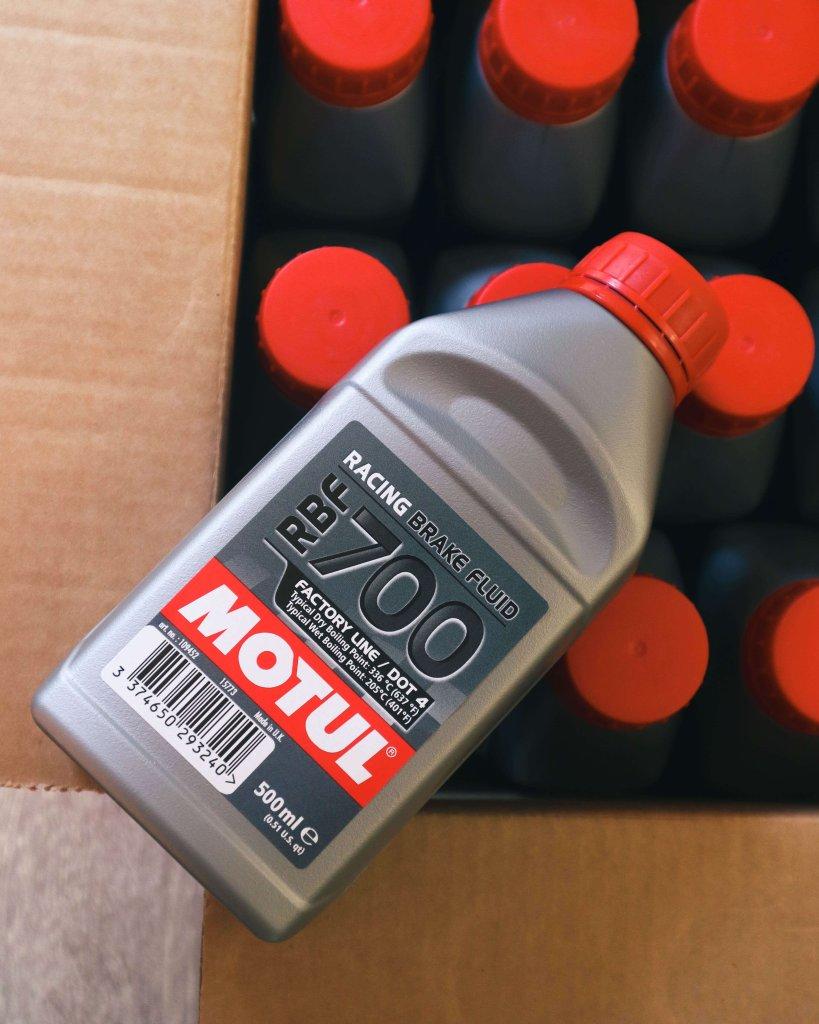
Better cooling: Keep an eye on water, oil and intake air temperatures. If needed, consider upgrading the system for cooling of water, oil or the intercooler, especially if you plan several back-to-back sessions on track. We have already written on our blog about oil coolers, how they work and why the upgrade matters. You can find the article here.
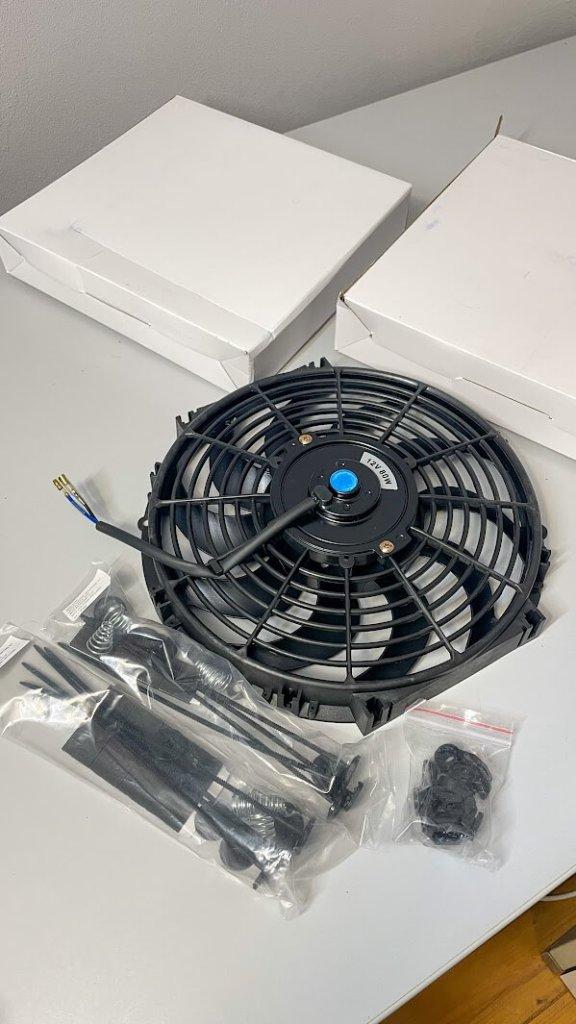
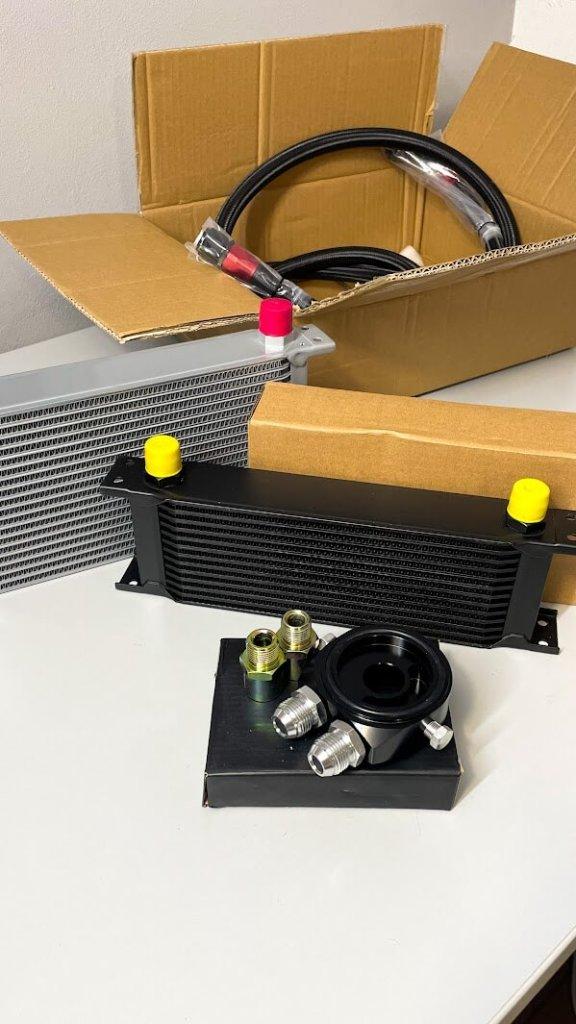
Suspension: Suspension parts such as coilovers or sports springs, anti-roll bars and adjustable arms can substantially improve how your car handles. Assuming, of course, that they are set up correctly.
Performance alignment: Researching and adjusting your car’s alignment can make a big difference to how it behaves in corners and at higher speeds. There is no fixed rule for performance alignment; you will learn most through trial and error, experimenting to find the setup that suits you and above all your car.
Conclusion
Preparing for your first track day takes some time and effort, but it will make the experience much better. With the right preparation you can enjoy the driving without worrying for your car’s safety or performance. Remember that some steps are essential, while other upgrades are recommended but optional. With every session on track you will understand better what your car needs and how to improve it for even better results.
If you need any help with modifying your car, you can contact us. We will gladly take the time to advise you properly.
If you haven’t already, you can sign up for our newsletter using the form below. You can expect more articles like this in your inbox, plus other news from the car world, such as upcoming car meets, track days and other events.