
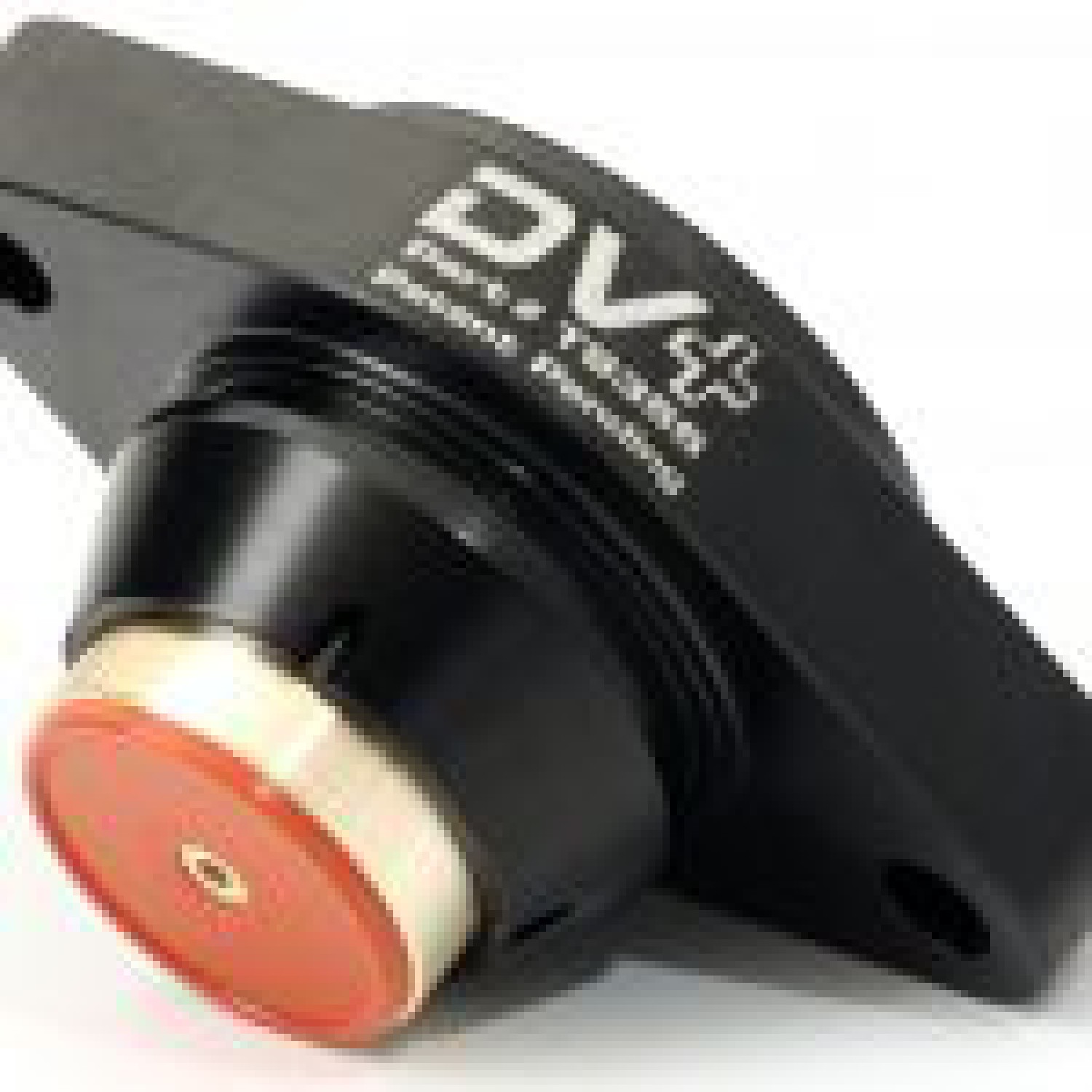
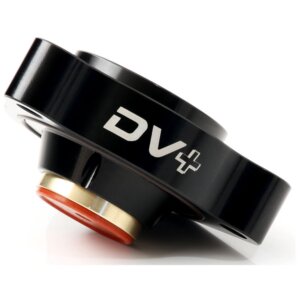
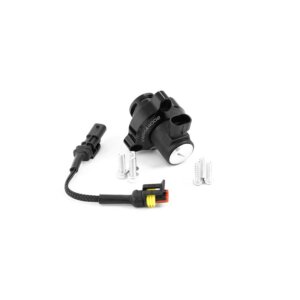
DV+ for 1.4 TSI Twin Charged engines
A simple solution for the diverter valve
The GFB DV+ solution is simple: retain the parts that work and replace those that represent a weak point.
- Retains the factory solenoid coil for seamless integration with the original system.
- Replaces the valve’s plastic parts with metal components for greater reliability and strength under increased engine load.
- Direct replacement for the original valve, with the benefits of the GFB TMS system.
- Exclusive valve mechanism with guided actuation for fast response at high boost pressure.
GFB DV+ is a direct replacement for the weak factory diverter valve used in numerous European vehicles.
The original solenoid coil is high quality, as the engine control unit opens it faster than any pneumatic valve. The weak point is the valve mechanism. GFB DV+ therefore replaces only the valve parts with an anodised machined aluminium housing and a brass piston manufactured to extremely precise tolerances.
The result is improved throttle response, very fast valve actuation and the ability to hold boost pressure under high loads.
Products from other manufacturers often replace the entire system with a conventional pneumatic valve. This solution requires long vacuum hoses, additional parts for connecting to the intake manifold vacuum, and another solenoid coil to control the pneumatic valve or a resistor for connection to the original wiring. These additional parts make the system slower, less responsive, more expensive and more difficult to install.
The GFB DV+ solution, on the other hand, is more responsive, more affordable and easier to install. It does not cause compressor surge or “turbo flutter”, and does not require different springs or frequent servicing.
The DV+ story: improved performance and greater reliability
Many newer European vehicles use diverter valves with a solenoid coil controlled by the engine control unit. This is a good design because the valve responds very quickly and opens only when required.
However, these valves have certain drawbacks. VAG vehicles and other European vehicles commonly use two types of solenoid-actuated diverter valve, in which the following problems occur.
Common original valve problem no. 1
Diaphragm valves often split, especially when engine tuning increases boost pressure and temperature.
Common original valve problem no. 2
Plastic piston valves leak considerably more than most users realise. This is a result of their design rather than wear, and after a gear change under high boost pressure they do not always close completely.
In addition, the solenoid coil is directly connected to the valve mechanism in both designs. This is not ideal, as neither the coil nor the return spring is powerful enough to open and close the valve reliably at high boost pressure.
Given these problems, completely replacing the original diverter valve seems like a logical solution. However, despite their greater strength, replacement kits are often slower and have lower flow, so the additional cost and more complicated installation are not justified. This type of solution is a compromise rather than an improvement.
GFB took a different approach and developed a complete solution that eliminates the existing problems and improves operation without unnecessary complexity.
DV+ eliminates the problems of the original valve with a simple and effective design. By retaining the original solenoid coil, all the advantages of the factory system are preserved, while replacing the valve parts with solid metal components provides greater strength and reliability regardless of the boost pressure used.
That is not all. Instead of directly actuating the valve with the solenoid coil, the system uses unique guided actuation. The solenoid coil therefore controls the air pressure that opens and closes the piston. Regardless of the boost pressure, DV+ opens and closes reliably without exceeding the solenoid coil’s capability.
This feature also improves the operation of the original system, as the valve opens progressively according to boost pressure. It opens only as far as necessary, whereas the original valve simply opens or closes fully and cannot open partially at lower boost pressure. The result is improved throttle response.
Reviews
There are no reviews yet.